DIY Gutter Cleaning Safety Guide
A practical safety checklist for homeowners who clean their own gutters, including ladder safety, equipment, and when to call a professional.
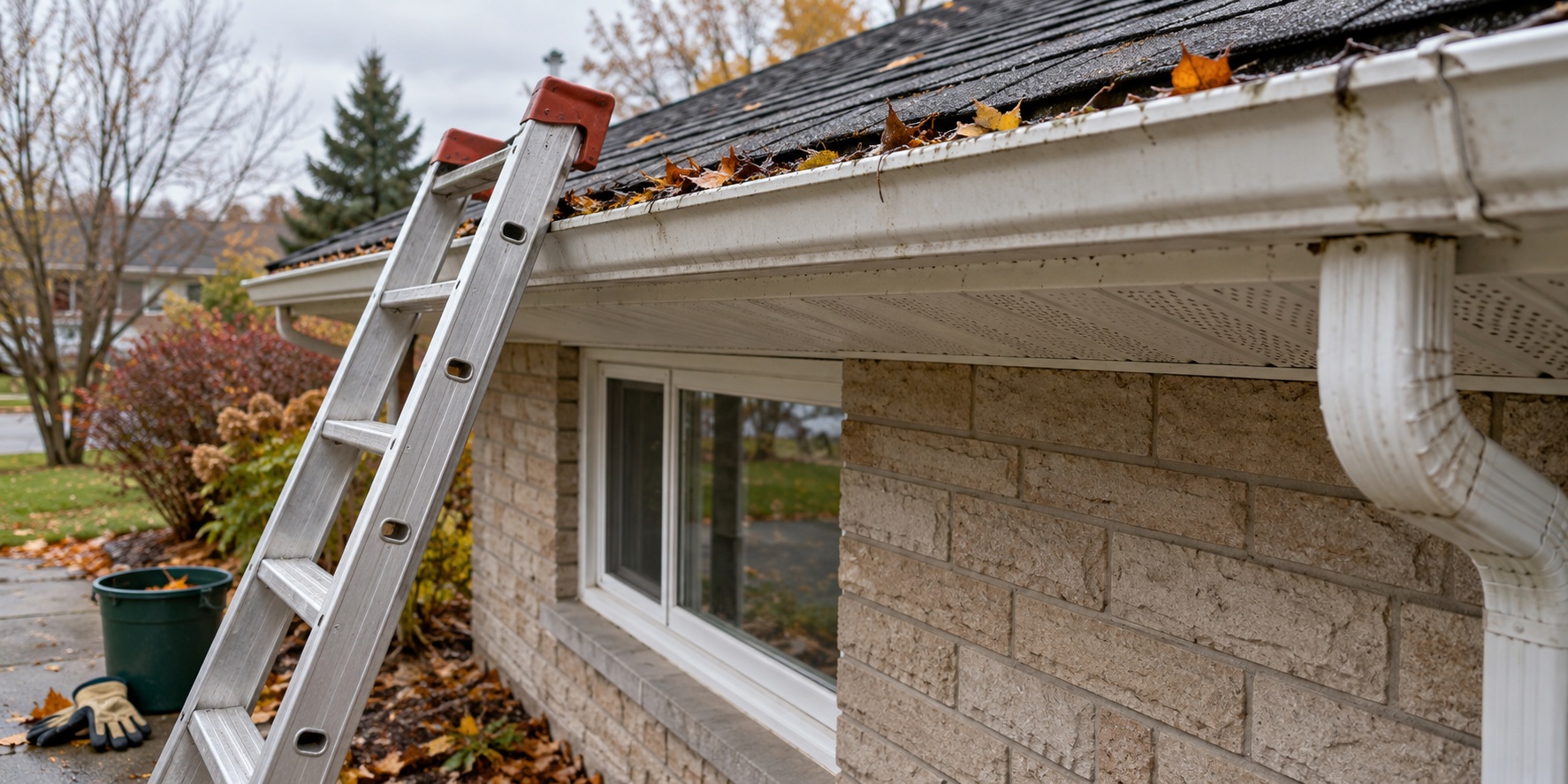
Cleaning your own gutters can save money, but it carries real risk. Climbing ladders, working at height, and handling debris are not without danger. For many homeowners, especially those with two-storey homes, professional cleaning is the safer choice. If you do decide to clean your own gutters, this guide covers the equipment, ladder safety, and warning signs that mean you should stop and call a professional.
This guide is written for homeowners who want to clean their gutters themselves and do it as safely as possible.
For high or difficult rooflines, our gutter cleaning is a safer option than climbing.
When DIY gutter cleaning makes sense
DIY gutter cleaning is reasonable for single-storey homes with easy ground-level access, simple rooflines, and homeowners who are comfortable on a ladder. It is not recommended for two-storey or taller homes, homes with steep roofs, homes with limited ground access, or anyone with balance, mobility, or height concerns.
If your gutters are easily reachable from a standard extension ladder and you can work with both feet on the ladder rungs, DIY cleaning is an option. If you have to stretch, lean, or stand on the top rung, the job is too dangerous.
Equipment you need
Before you start, gather the right equipment. Using the wrong tools increases risk and makes the job take longer.
Ladder
Use a sturdy extension ladder rated for your weight plus your tools. For a single-storey home, a ladder that reaches the roofline with several feet to spare is appropriate. Never use a stepladder for gutter work; it is not tall enough and is unstable when extended.
Inspect the ladder before each use. Check for cracked rungs, loose bolts, damaged feet, and bent rails. A damaged ladder can fail without warning.
Personal protective equipment
Wear work gloves to protect your hands from sharp edges, screws, and debris. Wear safety glasses to protect your eyes from falling debris, especially when flushing downspouts. Wear non-slip shoes with good traction. Avoid loose clothing that can catch on the ladder or gutter.
Tools
You will need a small trowel or gutter scoop, a bucket with a handle, a garden hose with a spray nozzle, and a sturdy bucket hook or rope to raise and lower the bucket. A tarp or drop cloth on the ground makes cleanup easier.
Do not use
Do not use a pressure washer from a ladder. The force can knock you off balance and damage gutters. Do not walk on the roof to reach gutters. Working from the roof is far more dangerous than working from a ladder.
Ladder safety basics
Ladder falls are the most common injury in gutter cleaning. Follow these rules every time:
Set up correctly
Place the ladder on firm, level ground. If the ground is soft or uneven, use ladder levelers or place a board under the feet. Do not place the ladder on a tarp, wet grass, or gravel that can shift.
Use the four-to-one rule: for every four feet of ladder height, place the base one foot away from the wall. For a ladder reaching a single-storey roofline, this usually means the base is about two to three feet from the house.
Secure the top
The ladder should extend at least three feet above the gutter line so you can hold onto it while stepping off. Rest the top against the fascia or a solid part of the roof edge, not against the gutter itself, which can bend or detach.
If debris returns quickly, gutter guard service may reduce how much enters the system.
Maintain three points of contact
Always keep two hands and one foot, or two feet and one hand, on the ladder. Do not carry tools in your hands while climbing. Use a bucket rope or tool belt to bring up your equipment.
Do not overreach
Keep your belt buckle between the side rails. If you cannot reach a section, climb down and move the ladder. Overreaching is a leading cause of ladder falls. Move the ladder frequently rather than stretching.
Work with a partner
Have someone hold the ladder while you work, especially on windy days or uneven ground. A partner can also hand up tools and call for help if you are injured.
Safe cleaning procedure
Step 1: Prepare the area
Clear the ground below the gutters of obstacles. Place a tarp under the work area to catch debris. Make sure children and pets are kept away from the work zone.
Step 2: Remove debris by hand
Starting at one end, scoop leaves, pine needles, and debris out of the gutter with your gloved hand or a small trowel. Place debris in the bucket. Do not carry the bucket up the ladder; use a rope to raise and lower it.
Work one section at a time, moving the ladder as needed. Do not stand on the top rung or the top two steps.
For a related guide, see Annual Gutter Inspection Checklist.
Step 3: Flush the downspouts
After clearing the gutters, use a garden hose to flush water through the downspouts. Confirm water flows freely away from the foundation. If a downspout is blocked, try flushing it from the top. If it remains blocked, do not disassemble it from the ladder. Call a professional.
Step 4: Inspect as you go
While you are cleaning, look for loose hangers, separated seams, sagging sections, rust, and damage to fascia or soffit. Note any problems. Do not attempt repairs from the ladder unless you are experienced and the repair is simple.
Step 5: Clean up
Remove the tarp and dispose of all debris. Do not leave piles of leaves on the lawn or blow them into garden beds. Check that downspout extensions and splash blocks are still in place.
When to stop and call a professional
Stop DIY cleaning and contact a professional if:
- Your home is two storeys or taller
- The roofline is steep or complex
- You cannot reach the gutters without overreaching
- You feel unsteady on the ladder
- Downspouts are blocked and will not clear with a hose
- You find extensive rot, rust, or separated seams
- You notice water stains, mould, or fascia damage
- You do not have a safe ladder or proper equipment
Professional cleaners have the equipment, training, and insurance to work safely at height. For multi-storey homes, professional cleaning is almost always the better choice.
What professional cleaning includes
A professional gutter cleaning visit typically includes debris removal by hand, downspout flushing, debris bagging and removal, and a visual inspection of the system. The crew will point out loose hangers, separated seams, or fascia damage. They do not perform repairs unless you agree to that work in advance.
Ladder inspection checklist
Before each use, check:
Another useful read for this project is Gutter Cleaning Cost Guide for Canadian Homes.
- No cracked, bent, or missing rungs
- No loose bolts or damaged feet
- No bent rails or twisted frame
- Feet have non-slip pads in good condition
- Labels and weight ratings are legible
If any part is damaged, do not use the ladder. Replace it before starting work.
Weather and timing considerations
Weather plays a major role in gutter cleaning safety. Never clean gutters during or immediately after rain, snow, or high winds. Wet ladders, wet gutters, and wet ground dramatically increase the risk of slips and falls. Wind can unbalance a ladder or blow debris into your face. Extreme heat can cause fatigue and dizziness, especially when working in direct sunlight.
Choose a dry, calm day with moderate temperatures. Morning is often ideal because the ladder and ground are dry from overnight dew, and you have full daylight ahead. Avoid cleaning in the late afternoon when shadows grow long and visibility decreases.
If weather changes while you are working, stop and come back another day. A gutter cleaning is not worth an injury.
Working around power lines
Before setting up your ladder, look up. Note the location of overhead power lines, service wires to your house, and telephone or cable lines. Never position a ladder where it could contact or come close to a power line. Keep ladders and tools at least three metres away from overhead lines. If your gutters are near service wires, hire a professional who has the training and equipment to work around them safely.
Ladder accessories that improve safety
Several ladder accessories can make gutter cleaning safer:
For additional context, continue with How Often Should You Clean Your Gutters.
- Ladder levelers: Adjustable feet that let you set up on uneven ground
- Ladder stabilizers: Bars that extend the top contact points, reducing wobble
- Ladder mitts: Covers for the top rails that protect the fascia and improve grip
- Tool belts: Keep your hands free while climbing
These accessories are inexpensive compared to the cost of an injury, and they are worth the investment if you clean your own gutters regularly.
Debris handling and disposal
Once you remove debris from the gutters, you need to dispose of it properly. Do not throw debris onto the lawn where it can blow back into the gutters or smother grass. Use a tarp on the ground to collect debris, then bag it for municipal collection or compost it if appropriate.
Some municipalities have yard waste collection schedules or bag limits. Check your local rules before starting. Do not burn leaves or debris, especially in dry conditions or where burning is prohibited.
When to call a professional instead
Some situations are clearly beyond DIY. Call a professional if:
- Your home is two storeys or taller
- You have a steep or complex roofline
- You have limited mobility, balance issues, or a fear of heights
- You do not own a safe, properly rated extension ladder
- Downspouts are blocked and will not clear with a garden hose
- You find extensive rot, rust, or separated seams during inspection
- You notice water stains, mould, or fascia damage inside or outside the home
- You are unsure whether the system is pitched correctly
Professional cleaners carry insurance, use proper safety equipment, and can spot problems that a homeowner might miss. For multi-storey homes, professional cleaning is almost always the better choice.
Cost comparison: DIY versus professional
DIY gutter cleaning costs mainly your time and the price of equipment. A good extension ladder, gloves, and tools may cost $200 to $400 upfront, but they last for years. The ongoing cost is minimal.
Professional cleaning costs $150 to $350 per visit for an average home. For a two-storey home, the cost is higher. If you clean twice a year, professional service costs $300 to $700 annually.
If you are comfortable on a ladder and have a single-storey home, DIY cleaning can save money over time. If you are not comfortable at height, or if your home is tall or complex, the professional cost is worth the safety and peace of mind.
Quick reference FAQ
- Can I clean gutters from a stepladder? No. Stepladders are not tall enough and are unstable when extended. Use an extension ladder.
- What if I am afraid of heights? Hire a professional. The cost is worth your safety.
- How do I dispose of gutter debris? Bag it for municipal collection or compost it. Do not leave it on the lawn.
- Can I clean gutters in winter? Avoid it. Ice and snow make ladders and roofs dangerously slippery.
- What if I find damage while cleaning? Take photos, stop work, and call a professional for assessment.
Final takeaway
DIY gutter cleaning can be done safely on single-storey homes with easy access, proper equipment, and careful ladder practices. Always maintain three points of contact, never overreach, and never work from the roof. For two-storey homes, complex rooflines, or anyone uncomfortable on a ladder, professional cleaning is the safer choice. The money saved by cleaning your own gutters is not worth a fall.
For an estimate based on your roofline and access, request a free quote.