Annual Gutter Inspection Checklist
A step-by-step gutter inspection checklist for spring and autumn maintenance, including what to look for and when to call a professional.
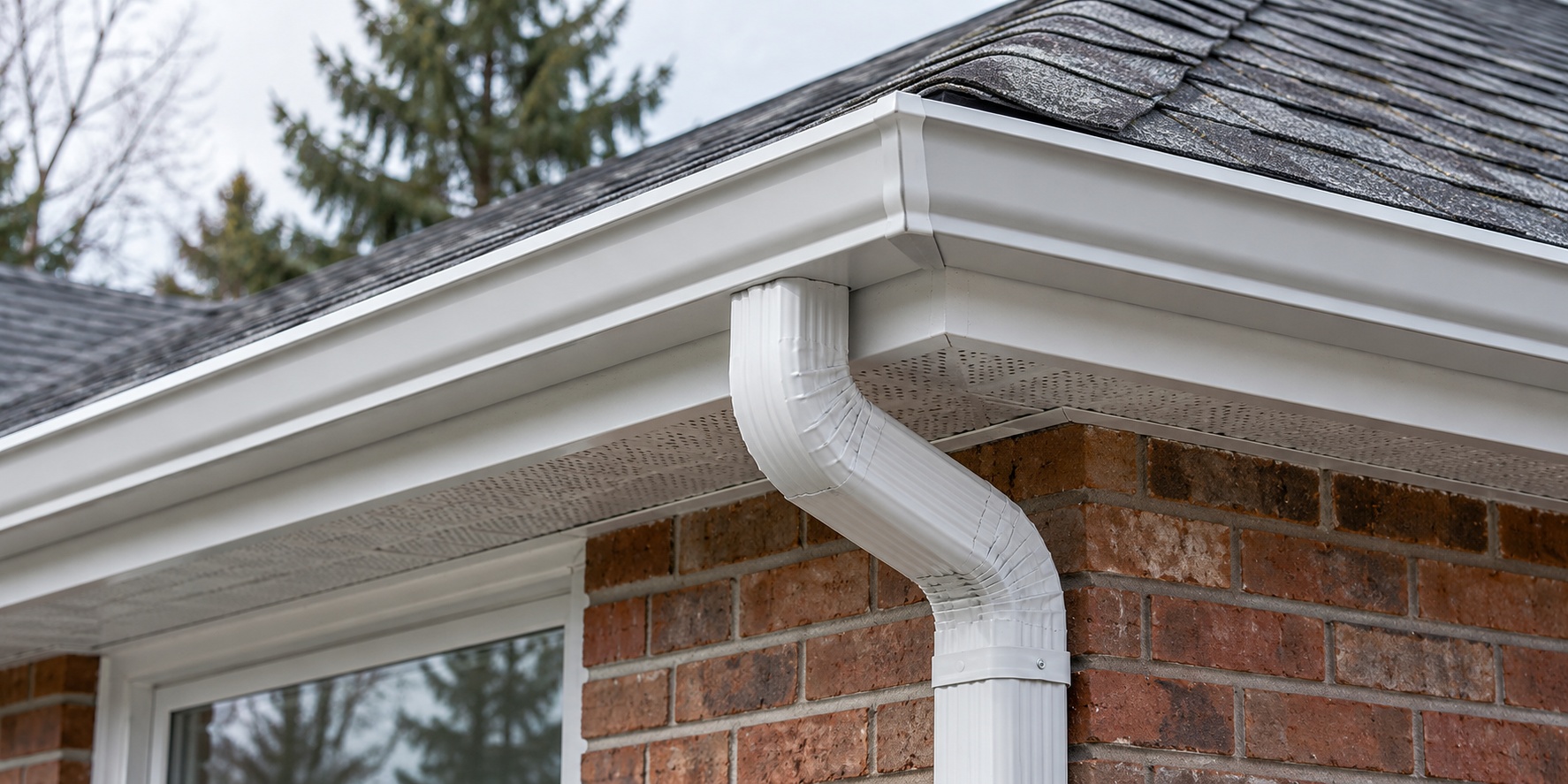
Regular gutter inspection is the best way to prevent expensive water damage. Most problems start small: a loose hanger, a leaking seam, a section sagging. Caught early, they are cheap to fix. Ignored, they lead to rotted fascia, basement leaks, and foundation problems.
This guide provides a spring and autumn gutter inspection checklist. It covers what to look for, how to inspect safely, and when to call a professional. It is written for homeowners who want to maintain their gutter system before problems become emergencies.
If an inspection reveals leaks or loose sections, see our gutter repair.
When to inspect
Inspect your gutters at least twice a year:
- Spring: After winter snow and ice, before spring rains
- Autumn: After most leaves have fallen, before snow and freeze-thaw cycles
Additional inspections are recommended after major storms, high winds, or if you notice overflowing, leaks, or water stains.
Safety first
Gutter inspection often involves a ladder. Follow these safety rules:
- Use a sturdy extension ladder rated for your weight
- Place the ladder on firm, level ground
- Maintain three points of contact at all times
- Do not overreach; move the ladder instead
- Do not work from the roof
- Do not clean or inspect during rain, snow, or high winds
- Have someone hold the ladder if possible
If you are not comfortable on a ladder, hire a professional. Many contractors offer inspection-only visits.
What you need
- Extension ladder
- Work gloves
- Safety glasses
- Garden hose
- Small mirror or phone camera (for seeing inside gutters)
- Notebook or phone (to record findings)
- Flashlight (for downspouts and dark areas)
Exterior inspection (from the ground)
Start by walking around your home and looking at the gutters from the ground. You do not need a ladder for this part.
Check for overflow signs
Look for water stains or streaks on the fascia board below the gutters. These indicate water has been escaping from the gutter system. Look for soil erosion or washed-out mulch directly under the gutter edges. These indicate overflow during rain.
Check downspout discharge
Look at where each downspout discharges water. Water should flow away from the foundation, not toward it. Check that extensions and splash blocks are in place. Look for pooling near the foundation after rain.
Check for sagging
Look at the gutter line from a distance. Gutters should be straight or gently sloped toward downspouts. Sections that sag, dip, or pull away from the house need attention.
When damage is widespread, compare repair with gutter installation options.
Check for visible debris
Look for leaves, sticks, or other debris sticking out of the gutters. Debris visible from the ground means the gutters are likely clogged inside too.
Check downspout connections
Look at where downspouts connect to gutters. Water should flow smoothly into the downspout. Gaps or separations at the connection point cause leaks.
Ladder inspection (closer look)
If it is safe to use a ladder, inspect the gutters more closely.
Check the inside of gutters
Climb the ladder and look inside the gutter. Check for:
For a related guide, see Gutter Noise: Dripping, Gurgling, and Overflowing Sounds Explained.
- Standing water
- Leaves, pine needles, and debris
- Rust or corrosion
- Separated seams or joints
- Loose or missing end caps
- Damage from branches or ladders
Check hangers and fasteners
Look at the hangers that fasten the gutter to the fascia. They should be secure and evenly spaced. Look for hangers that are loose, bent, or pulling out of the wood. Look for missing hangers.
Check fascia condition
Look at the fascia board behind the gutter. Check for:
- Peeling paint
- Water stains
- Soft or rotted wood
- Gaps between the fascia and the gutter
- Rot at the ends where hangers attach
Rotted fascia cannot hold gutters securely. It must be replaced before new gutters are installed.
Check downspouts
Look inside the downspout opening at the top. Check for blockages. Run water through the downspout with a garden hose and confirm water flows freely from the bottom. Listen for gurgling, which indicates a partial blockage.
Another useful read for this project is Ice Dams and Gutters in Canadian Winters.
Check pitch
Gutters should slope toward downspouts. Pour a small amount of water into the gutter and watch where it goes. If water pools in the middle or flows away from the downspout, the pitch is wrong and needs adjustment.
Seasonal checklist
Spring inspection
- Clear winter debris from gutters and downspouts
- Check for ice dam damage from winter
- Look for gutters pulled away by snow weight
- Inspect fascia for water stains from ice dams
- Confirm downspouts discharge away from foundation
- Check for new leaks or separated joints after thaw
Autumn inspection
- Clear leaves and debris before snow
- Check that downspouts discharge away from foundation
- Look for sagging sections that will hold snow
- Inspect hangers and fasteners before winter load
- Check fascia condition before winter
- Install or check gutter guards if you have them
After major storms
- Check for overflow during heavy rain
- Look for new leaks or separated joints
- Inspect for damage from fallen branches
- Confirm downspouts are still connected and discharging properly
Repair versus observation
Some issues you find during inspection can wait. Others need prompt attention.
Monitor these
- Minor paint peeling on fascia
- Small amounts of debris that will be cleaned at the next scheduled visit
- Minor staining that does not indicate active leaking
Fix these soon
- Loose hangers
- Separated seams or end caps
- Clogged downspouts
- Sagging sections
- Visible rust on steel gutters
Fix these immediately
- Gutters detaching from the house
- Water leaking inside the house
- Major overflow during normal rain
- Rotted or crumbling fascia
- Downspouts discharging against the foundation
Documentation
Keep a simple record of each inspection. Note:
- Date of inspection
- What you found
- What you cleaned or repaired
- What needs attention
- Photos of problem areas
This record helps you track the condition of your gutters over time and is useful when talking to contractors.
When to call a professional
Call a professional if:
For additional context, continue with Signs You Need New Gutters.
- You are not comfortable on a ladder
- You find rotted fascia
- Gutters are detaching or sagging significantly
- Downspouts are blocked and will not clear with a hose
- You see water stains or leaks inside the house
- You need re-pitching or section replacement
- You want a professional assessment before winter
Real-world inspection examples
Example 1: The hidden leak
A homeowner inspected the gutters in spring and found water stains on the fascia behind a section of gutter. The gutter itself looked fine from the ground. On closer inspection, the seam was separated and water was leaking behind the gutter. The contractor resealed the seam. Cost: under $200. If left unnoticed, the water would have rotted the fascia.
Example 2: The sagging section
A homeowner noticed one section of gutter was lower than the rest. On inspection, two hangers had pulled out of the fascia. The fascia was soft and rotted. The contractor replaced the fascia and hangers. Cost: about $500. Caught early, the repair was minor. Left longer, the whole section could have fallen.
Example 3: The blocked downspout
A homeowner ran water through the downspout and found it backed up immediately. The downspout elbow was packed with leaves. The contractor cleared the elbow and installed a downspout screen. Cost: about $150. The overflow would have damaged the foundation if left unchecked.
Detailed spring inspection checklist
Ground-level checks
- Walk around the home and look at gutters from all angles
- Check for water stains on fascia below gutters
- Look for soil erosion under gutter edges
- Check downspout discharge points
- Look for sagging or detached gutter sections
- Check for visible debris in gutters
Ladder-level checks
- Look inside gutters for standing water
- Check for leaves, pine needles, and debris
- Inspect seams and joints for separation
- Check end caps for damage
- Inspect hangers for looseness or damage
- Check fascia for rot, stains, or gaps
- Run water through downspouts and check flow
- Look for pitch problems by pouring water in gutters
Documentation
- Take photos of any problems
- Note the date of inspection
- Record what was cleaned or repaired
- List what needs attention
Detailed autumn inspection checklist
Ground-level checks
- Look for leaves and debris in gutters
- Check downspout discharge points
- Look for sagging sections
- Check for ice dam warning signs (icicles at roof edge)
Ladder-level checks
- Clear all leaves and debris from gutters
- Flush downspouts and confirm flow
- Inspect hangers before winter load
- Check fascia condition
- Verify gutters are pitched correctly for winter
Maintenance calendar by season
Spring
- Clear winter debris from gutters and downspouts
- Check for ice dam damage
- Look for gutters pulled away by snow weight
- Inspect fascia for water stains
- Confirm downspout flow
Summer
- Check for sagging or loose sections
- Inspect fascia paint condition
- Check for new leaks
- Trim overhanging branches
Autumn
- Clear all leaves and debris
- Flush downspouts
- Inspect hangers and fasteners
- Check fascia condition
- Verify pitch before winter
Winter
- Monitor for ice dams
- Check for ice in gutters
- Watch for overflow during thaws
- Do not climb on icy roofs
Repair priority guide
Fix immediately
- Gutters detaching from the house
- Water leaking inside the house
- Major overflow during normal rain
- Rotted or crumbling fascia
- Downspouts discharging against foundation
Fix within a month
- Loose hangers
- Separated seams or end caps
- Clogged downspouts
- Sagging sections
- Visible rust on steel gutters
Monitor
- Minor paint peeling on fascia
- Small amounts of debris
- Minor staining without active leaking
Documentation template
Create a simple inspection log with:
- Date of inspection
- Weather conditions
- What was found (section by section)
- What was cleaned or repaired
- What needs attention
- Photos of problem areas
- Contractor recommendations (if applicable)
When to call a professional
Call a professional if:
- You are not comfortable on a ladder
- You find rotted fascia
- Gutters are detaching or sagging significantly
- Downspouts are blocked and will not clear with a hose
- You see water stains or leaks inside the house
- You need re-pitching or section replacement
- You want a professional assessment before winter
Quick reference FAQ
- How often should I inspect gutters? At least twice a year, in spring and autumn. More often if you have heavy tree coverage.
- Can I inspect gutters without a ladder? You can check for overflow signs and water stains from the ground, but a closer inspection requires a ladder.
- What should I look for during inspection? Standing water, debris, separated seams, loose hangers, rotted fascia, and downspout blockages.
- Can I fix a sagging gutter myself? You can if you are comfortable on a ladder and have the right tools. Otherwise, call a professional.
- How do I document inspection findings? Take photos, note the date, record what you found, and keep a simple log for future reference.
Final takeaway
Inspect your gutters at least twice a year, in spring and autumn. Look for overflow signs, sagging, debris, loose hangers, rotted fascia, and downspout blockages. Use a ladder safely or hire a professional. Document what you find. Small problems caught early are cheap to fix. Ignored, they become expensive water damage. Regular inspection is the cheapest insurance for your home's drainage system.
For an estimate based on your roofline and access, request a free quote.