Gutter Noise: Dripping, Gurgling, and Overflowing Sounds Explained
A practical guide to common gutter noises, what causes them, and how to tell whether a sound is normal or a sign of a problem.
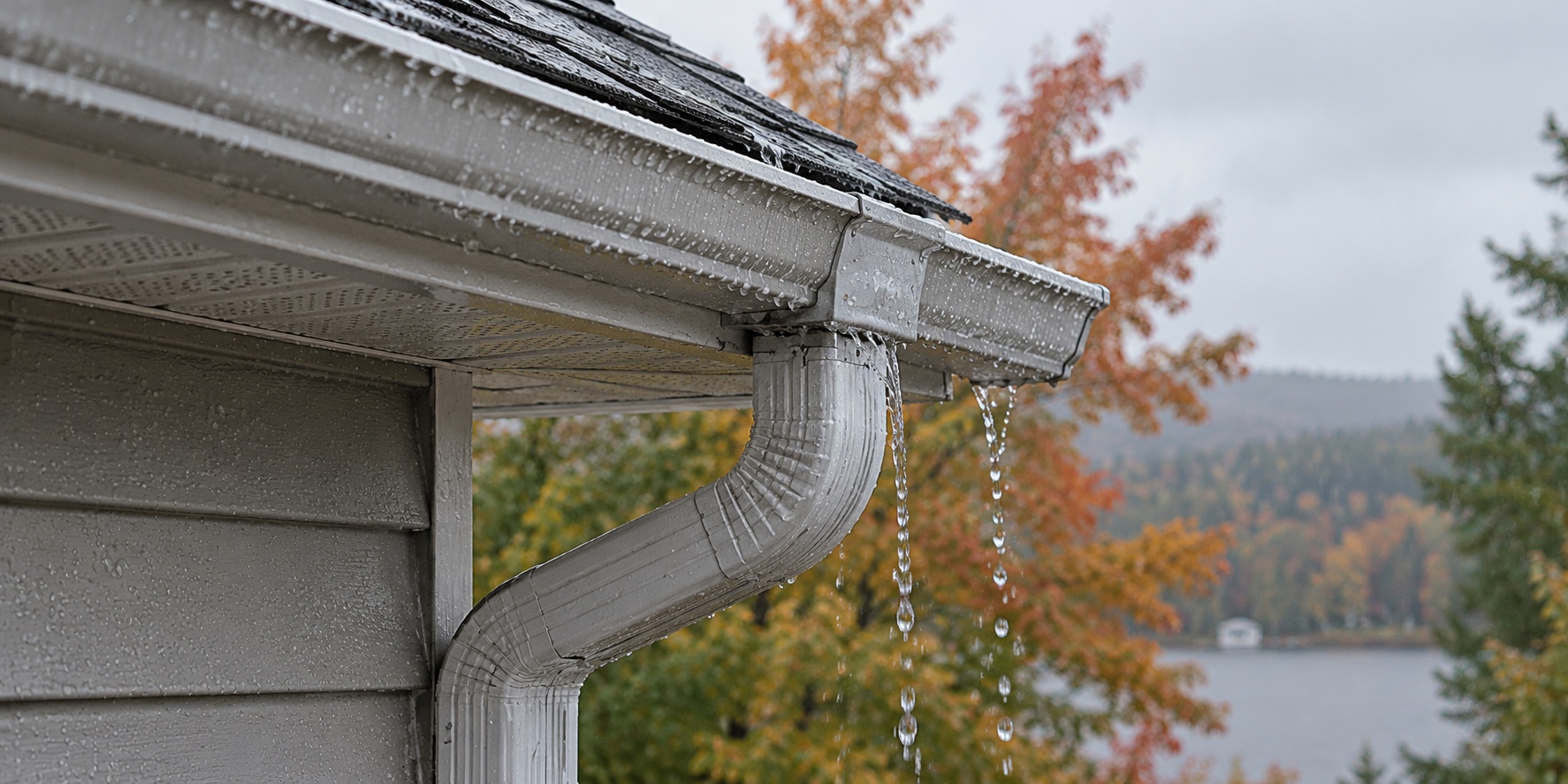
Gutters are not silent. Rain on metal, water rushing through downspouts, and the occasional drip are normal sounds during a storm. But some gutter noises mean something is wrong. A dripping sound hours after the rain stops, a gurgling noise in the downspout, or water overflowing with a splash can all point to a problem that needs attention.
This guide explains the common sounds gutters make, what causes each one, and how to tell whether a noise is harmless or a warning sign. It is written for homeowners who want to know when to investigate and when to call a professional.
If the sound points to a loose joint or hanger, our gutter repair can assess it.
Normal gutter sounds
Not every gutter noise means trouble. Understanding what is normal helps you avoid unnecessary worry and focus on real problems.
Rain on the gutter
The sound of rain hitting the gutter is normal. Metal gutters can amplify the sound of raindrops, especially during a heavy storm. This is not a defect. It is simply water striking a hard surface. The volume depends on the material, the gutter shape, and how much rain is falling.
Water rushing through downspouts
During a downpour, you may hear water rushing through the downspout. This is the system working as intended. The sound should be steady and consistent, not sputtering or gurgling. If the downspout is properly sized and clear, water moves through it without noise beyond the flow itself.
Occasional drips
A few drips immediately after the rain stops are normal. Water clinging to the gutter edge or the downspout will eventually fall. These drips should stop within minutes, not hours.
Dripping sounds and what they mean
Dripping is the most common gutter noise homeowners ask about. The meaning depends on when and where you hear it.
Dripping during or right after rain
A few drips from the gutter edge or downspout during and immediately after rain are normal. Water clinging to surfaces drains slowly. This should stop within a short time.
Dripping hours or days after rain
If you hear dripping long after the rain has stopped, something is holding water. Common causes include:
- A gutter section that is not pitched correctly, so water pools and slowly drips out
- A clogged downspout that allows water to back up and drip from the gutter seam
- A leaking seam or joint that lets water escape slowly
- A damaged or missing end cap that lets water drip from the end of the run
Persistent dripping after a storm is a sign to inspect the gutter for standing water or leaks.
Dripping inside the house
If you hear dripping inside the ceiling or walls during or after rain, the problem is likely not the gutter itself but water getting into the building. This can happen when ice dams force water under shingles, when gutters overflow and water runs down the wall, or when a downspout discharges too close to the foundation and water seeps inside. Interior dripping needs immediate attention.
Gurgling sounds in downspouts
Gurgling is a bubbling or choking noise that happens when water and air move through a downspout together. It usually means the downspout is not flowing freely.
Partial blockage
Leaves, pine needles, or debris caught in the downspout can restrict flow. Water backs up above the blockage and then rushes through in bursts, creating a gurgling sound. Flushing the downspout usually clears it.
Undersized downspout
If the downspout is too small for the roof area it serves, water rushes in faster than it can exit. The air and water mix in the pipe and create noise. Adding a second downspout or upgrading to a larger size can solve this.
Poor downspout connection
A loose or misaligned connection between the gutter outlet and the downspout can cause water to splash and gurgle as it enters the pipe. Checking and resealing the connection often fixes the noise.
When damage is widespread, compare repair with gutter installation options.
Elbow restrictions
Downspout elbows change the direction of flow. If an elbow is crimped, dented, or installed at a sharp angle, it can create turbulence and noise. Inspecting and replacing damaged elbows helps.
Overflowing sounds
Overflowing gutters make a distinct splashing or pouring noise. Water spills over the front or back edge instead of flowing to the downspout. This is almost always a sign of a problem.
Clogged gutters
Leaves, pine needles, and debris block the flow, causing water to back up and spill over the edge. Cleaning the gutters usually fixes this.
Incorrect pitch
If the gutter is not sloped toward the downspout, water collects and overflows at the low point. Re-pitching the gutter solves the problem.
Undersized gutters
A gutter that is too small for the roof area cannot handle heavy rain. Water overflows even when the system is clean. Upgrading to a larger gutter or adding more downspouts may be needed.
Blocked downspout
When the downspout is blocked, water has nowhere to go and overflows from the gutter. Clearing the downspout restores flow.
For a related guide, see Clogged Downspout: How to Unclog and Prevent.
Other gutter noises and their causes
Banging or clanging
Banging or clanging during wind or rain usually means a loose gutter section or downspout. The wind moves the loose piece, or water hits it in a way that makes it strike the fascia or another part of the system. Securing loose hangers and brackets stops the noise.
Whistling
Whistling can happen when wind blows across the top of the gutter or through a small gap. It may also happen if water is forced through a narrow gap at a seam or joint. Inspecting the gutter for gaps and securing loose sections helps.
Scratching or scraping
Scratching noises often come from branches or debris rubbing against the gutter. Trimming overhanging branches and clearing the roof of debris reduces this noise.
When gutter noise indicates a serious problem
Some noises are warning signs that need prompt attention:
- Dripping inside the house during or after rain
- Gurgling that persists after flushing the downspout
- Overflowing during normal rain, not just heavy storms
- Banging or clanging that means a section is loose and may fall
- Water stains on walls or ceilings that appear with gutter noise
If you hear any of these, inspect the system or call a professional.
How to diagnose gutter noise
You can diagnose many gutter noises with a simple inspection:
Another useful read for this project is Ice Dams and Gutters in Canadian Winters.
- Wait for rain or simulate it with a garden hose
- Walk around the home and listen for where the noise is loudest
- Look for visible overflow, sagging, or debris
- Check the downspout outlet for water flow
- Look inside the gutter with a ladder if it is safe to do so
If you cannot find the source or the noise continues after cleaning, call a professional.
Maintenance that prevents noise
Regular maintenance keeps gutters quiet:
- Clean gutters at least twice a year
- Flush downspouts to confirm flow
- Check and tighten hangers and brackets
- Inspect seams and end caps for leaks
- Trim overhanging branches
- Remove debris from the roof that could wash into the gutters
When to call a professional
Call a professional if:
- You hear dripping inside the house
- Gurgling persists after flushing
- Gutters overflow during normal rain
- A section is loose, sagging, or detached
- You cannot safely access the gutters to inspect them
Real-world examples of gutter noise problems
Example 1: The dripping downspout
A homeowner heard dripping from the downspout for hours after every rainstorm. The source was a downspout elbow that had shifted slightly, creating a small shelf where water collected and dripped slowly. The contractor re-secured the elbow, and the dripping stopped. Cost: under $150.
Example 2: The gurgling downspout
A homeowner heard gurgling from the downspout during every rainstorm. The cause was a downspout that was too small for the roof area. Water rushed in faster than it could exit, mixing with air and creating noise. The contractor added a second downspout. Cost: about $400.
Example 3: The overflowing gutter
A homeowner heard water splashing over the gutter edge during every rain. The cause was a clogged downspout elbow packed with leaves and pine needles. The contractor cleared the elbow and installed a downspout screen. Cost: about $200.
Example 4: The banging gutter
A homeowner heard banging during windy days. The cause was a loose gutter section that was not securely fastened to the fascia. The wind moved the loose section, and it struck the fascia. The contractor replaced missing hangers and secured the section. Cost: under $200.
For additional context, continue with Annual Gutter Inspection Checklist.
Seasonal noise checklist
Different seasons bring different gutter noise concerns:
Spring
Listen for dripping after spring rains. Check for downspouts blocked by winter debris. Listen for gurgling that indicates partial blockages from spring seed pods and blossoms.
Summer
Listen for banging during summer thunderstorms. Check for loose hangers and sections that may have loosened over the year. Listen for whistling that indicates gaps in the gutter system.
Autumn
Listen for gurgling as leaves fall. Check for downspouts blocked by autumn leaves. Listen for overflowing during autumn rainstorms.
Winter
Listen for dripping from ice in the downspout. Check for ice blockages that prevent drainage. Listen for banging from ice expanding in the gutter system.
Long-term noise prevention
Regular maintenance is the best way to prevent gutter noise:
- Clean gutters at least twice a year
- Flush downspouts to confirm flow
- Check and tighten hangers and brackets
- Inspect seams and end caps for leaks
- Trim overhanging branches
- Remove debris from the roof that could wash into gutters
- Install gutter guards to reduce debris entry
- Install downspout screens to catch debris at the entrance
Tools for diagnosing gutter noise
- Garden hose (to simulate rain)
- Flashlight (to see inside gutters and downspouts)
- Small mirror (to see around corners)
- Ladder (for closer inspection)
- Notebook (to record where and when noises occur)
When noise indicates a larger problem
Persistent gutter noise can indicate problems beyond the gutter itself:
- Foundation drainage issues if water pools near the house
- Roof damage if water backs up under shingles
- Fascia and soffit rot if water escapes the gutter system
- Interior water damage if water enters the house
Address gutter noise promptly to prevent these larger problems.
Quick reference FAQ
- Is dripping from gutters normal after rain? A few drips right after rain are normal. Dripping that lasts for hours means water is pooling somewhere.
- What causes gurgling in downspouts? Gurgling usually means a partial blockage where air and water mix in the downspout.
- Should gutters make noise during wind? Wind can cause banging if a gutter section is loose. Secure the hangers to stop the noise.
- Can I stop gutter dripping myself? Yes, if the cause is a loose elbow or a small clog you can reach. Otherwise, call a professional.
- Can I stop gutter dripping myself? Yes, if the cause is a loose elbow or a small clog you can reach. Otherwise, call a professional.
- How often should I inspect gutters for noise issues? Inspect at least twice a year, in spring and autumn.
- What should I do if I hear water inside the house? Contact a professional immediately. This indicates water is entering the building and needs urgent attention.
Final takeaway
Gutter noises range from normal rain sounds to warning signs of blockage, leaks, or damage. Dripping after rain, gurgling in downspouts, and overflowing splashes all have specific causes. Regular cleaning, inspection, and maintenance keep gutters quiet and working. If a noise persists or you hear water inside the house, contact a professional to investigate before the problem gets worse.
For an estimate based on your roofline and access, request a free quote.