Gutters for Older and Heritage Homes
A practical guide to gutter replacement and repair for older and heritage homes, including material choices, fascia considerations, and preservation concerns.
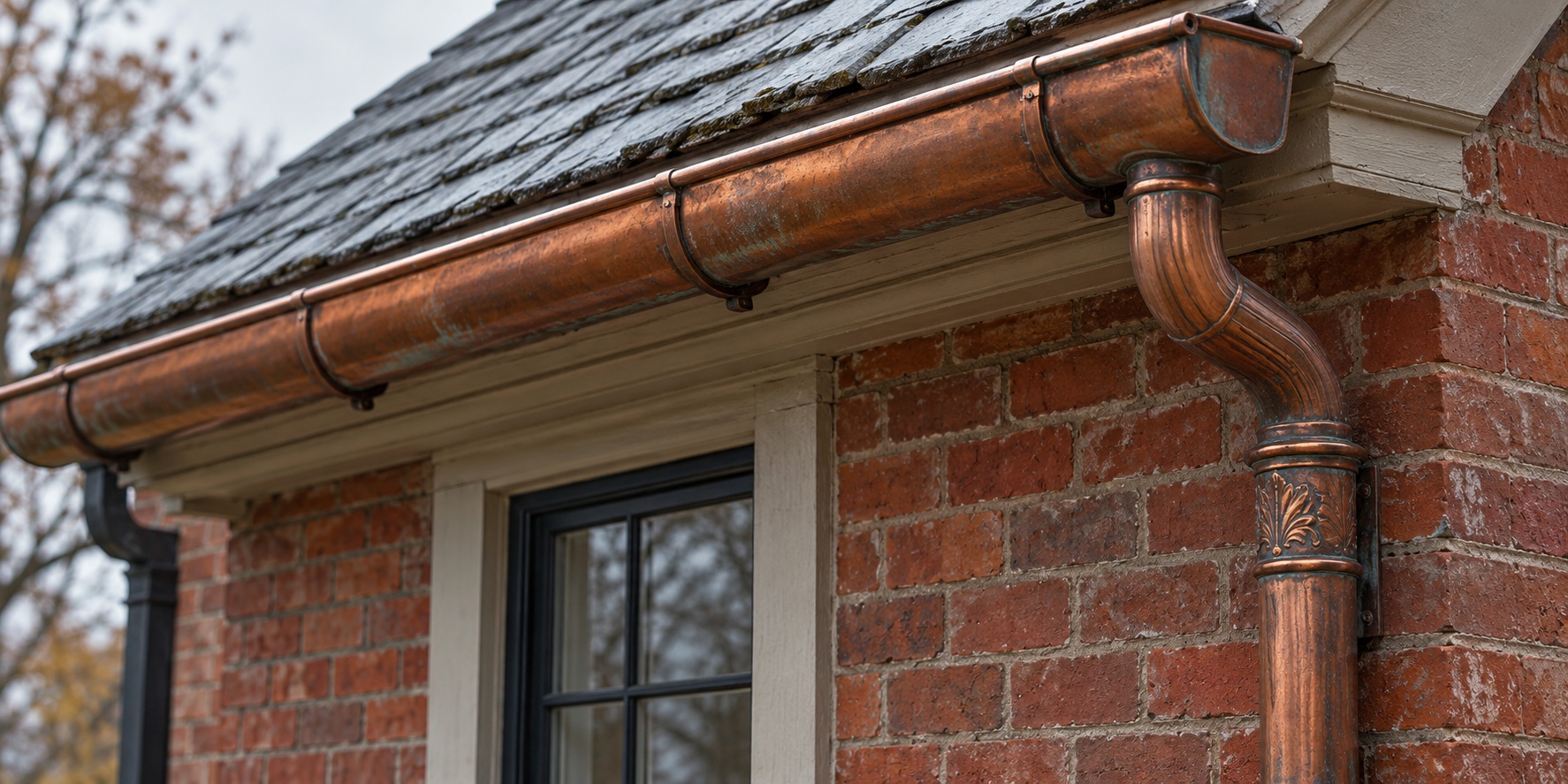
Older and heritage homes have character that newer homes do not. They also have older gutter systems, aging fascia, and rooflines that were not built with modern drainage in mind. Replacing or repairing gutters on an older home requires more care than a standard installation. The goal is to protect the home from water damage while respecting its original construction and appearance.
This guide explains the special considerations for gutters on older and heritage homes. It covers material choices, fascia and soffit concerns, drainage needs, and how to balance preservation with practical protection. It is written for homeowners of older properties who want to make informed decisions about their gutter system.
When fascia needs attention, our soffit and fascia service can assess the roofline support.
Why older homes need special attention
Older homes were built in an era when gutter systems were different. Materials, installation methods, and roofline designs have changed over the decades. A home built in the early twentieth century may have gutters that are original or decades old, and they may not meet the needs of the house today.
Aging materials
Older gutters may be made of galvanized steel, copper, wood, or early aluminum. Galvanized steel rusts over time. Wood gutters rot. Early aluminum can corrode at seams. Even if the gutters look acceptable from the ground, they may be near the end of their useful life.
Outdated design
Older gutter systems may be undersized for modern rainfall patterns. They may have fewer downspouts than a modern home would need. They may be installed level rather than pitched. These design issues cause overflow and water damage even if the gutters are in good condition.
Fragile surrounding materials
Older homes often have original wood fascia, soffit, and trim that are more fragile than modern materials. Removing old gutters can damage these materials if care is not taken. Replacing gutters without addressing rotted fascia means the new system will not have sound support.
Heritage and preservation concerns
Heritage homes may have rules about what changes are allowed. Municipal heritage committees or neighbourhood guidelines may restrict changes to the roofline, the visibility of gutters, or the materials used. Before replacing gutters on a heritage property, check whether approvals are needed.
Material choices for older homes
The right material depends on the home's age, style, and your budget.
Aluminum
Seamless aluminum is a common choice for older homes. It is lightweight, resists rust, and can be formed on site to match the roofline. It comes in colours that can blend with traditional exteriors. Aluminum is a practical choice for most older homes that do not have strict heritage requirements.
Copper
Copper is traditional and long-lasting. It was used on many older and heritage homes. Copper develops a patina over time, which can match the character of an older property. It is expensive, but it can last fifty years or more. Copper is a good choice if you want a historically appropriate material and have the budget for it.
Galvanized steel
Galvanized steel was common on older homes. It is strong but prone to rust. If your older home has galvanized steel gutters, they may be near the end of their life. Replacing them with aluminum or copper is often more practical than repairing rusted steel.
Vinyl
Vinyl is generally not recommended for older homes. It can look out of place on a traditional exterior, and it becomes brittle in cold weather. It is better suited to newer construction.
Wood
Some very old homes had wood gutters. Wood gutters require constant maintenance and rot quickly. Replacing wood gutters with modern materials is usually the best choice unless you are restoring a museum property and need historical accuracy.
Fascia and soffit considerations
On older homes, the fascia and soffit are often original wood. These boards support the gutters and finish the roofline. Before installing new gutters, the fascia and soffit should be inspected.
Once the fascia is sound, plan gutter installation around its support.
Rotted fascia
Water leaking behind old gutters can rot the fascia. Soft or crumbling fascia cannot hold gutter hangers. Rotted fascia must be replaced before new gutters are installed. On older homes, this may mean replacing sections of original wood.
Matching materials
If you replace fascia on a heritage home, you may want to match the original wood species, profile, and finish. This preserves the appearance of the home. A contractor experienced with older homes can source or mill matching wood.
Soffit ventilation
Older homes may have limited soffit ventilation or none at all. Poor ventilation contributes to ice dams and moisture problems. When replacing gutters, consider whether soffit vents should be added or repaired.
Drainage needs for older homes
Older rooflines may have complex shapes, multiple levels, or dormers. These features create more corners, more seams, and more places for water to collect.
Downspout placement
Older homes may have too few downspouts for the roof area. Adding downspouts can improve drainage without changing the appearance of the home. Downspouts should be placed where they do not detract from the front elevation, if possible.
For a related guide, see Gutter Colors and Styles: Matching Your Home's Exterior.
Gutter size
Older gutters may be undersized. Modern homes often use five-inch or six-inch gutters. Older homes may have four-inch gutters that cannot handle heavy rain. Upgrading to a larger size improves drainage without changing the look much.
Hidden hangers
Older gutters may have been installed with spike-and-ferrule fasteners, which can pull out of wood over time. Hidden hangers are stronger and less visible. They are a good choice for older homes where appearance matters.
Heritage approvals and regulations
If your home is designated heritage or located in a heritage district, you may need approval before changing gutters.
Municipal heritage committees
Many municipalities have heritage committees that review changes to designated properties. They may require you to use specific materials, colours, or installation methods. Submit your plans before starting work.
Neighbourhood guidelines
Some neighbourhoods have design guidelines that apply even if the home is not individually designated. These guidelines may address gutters, downspouts, and roofline changes.
Documentation
Take photos of the existing gutters before you remove them. Keep records of the materials and installation methods. This documentation can be useful if questions arise later.
Another useful read for this project is Gutter Installation Cost Guide for Canadian Homes.
Common problems on older homes
Here are problems that are common on older homes and how to address them:
| Problem | Cause | Solution |
|---|---|---|
| Rotted fascia | Water leaking behind old gutters | Replace fascia before new gutters |
| Sagging gutters | Loose hangers or rotted fascia | Replace hangers, repair fascia |
| Rust on steel gutters | Age and exposure | Replace with aluminum or copper |
| Undersized gutters | Older design standards | Upgrade to larger gutters |
| Too few downspouts | Older design standards | Add downspouts |
| Peeling paint on fascia | Water escaping from gutters | Repair gutters, repaint fascia |
| Ice dams | Poor attic insulation and ventilation | Improve attic, clean gutters |
When to repair versus replace on an older home
Repair makes sense when:
- The problem is limited to one section
- The fascia is sound
- The gutters are less than twenty years old
- The material is still in good condition
Replace makes sense when:
- The gutters are original and more than thirty years old
- There is widespread rust or corrosion
- The fascia is rotted along much of the roofline
- The gutters overflow despite cleaning
- You are replacing the roof and want to coordinate the work
Working with contractors on older homes
Not every gutter contractor has experience with older homes. Ask these questions before hiring:
- Have you worked on older or heritage homes?
- Can you match existing materials and colours?
- Will you inspect the fascia before installing gutters?
- Are you familiar with heritage approval requirements?
- Can you provide references from older home projects?
A contractor who understands older homes will inspect the fascia, discuss material choices, and respect the character of the property.
Real-world examples on older homes
Example 1: The rotted fascia
A homeowner in a 1920s home wanted new gutters. During the inspection, the contractor found that the fascia was rotted along the entire front elevation from decades of water leaking behind the old gutters. The contractor replaced the fascia with matching wood before installing new seamless aluminum gutters. Cost: about $1,200 for fascia plus gutter installation.
Example 2: The heritage approval
A homeowner in a designated heritage district wanted to install aluminum gutters. The municipal heritage committee required copper half-round gutters to match the home's period appearance. The homeowner applied for approval, provided samples, and received permission before installation. The process added two weeks to the timeline.
For additional context, continue with Seamless vs Sectional Gutters: Which Is Right for Your Home.
Example 3: The undersized historic gutters
A heritage home had original four-inch gutters that overflowed during every rainstorm. The homeowner upgraded to six-inch seamless aluminum gutters that matched the home's dark trim colour. The larger capacity solved the overflow problem while maintaining the home's traditional appearance.
Material-by-material considerations for older homes
Copper on heritage homes
Copper is often the most appropriate material for heritage homes. It develops a patina that blends with older masonry and woodwork. It lasts decades. The main drawback is cost. Copper gutters cost two to three times more than aluminum.
Aluminum on older homes
Seamless aluminum is the most practical choice for most older homes. It is lightweight, resists rust, and can be formed on site. It comes in colours that match traditional trim. It does not have the historical authenticity of copper, but it performs well and costs less.
Galvanized steel replacement
Many older homes have original galvanized steel gutters. These often rust at seams and fasteners. Replacing galvanized steel with aluminum or copper is usually more practical than repairing rusted steel, because the steel has thinned and patching will not last.
Vinyl on older homes
Vinyl is generally not recommended for older homes. It can look out of place on a traditional exterior, and it becomes brittle in cold weather. It is better suited to newer construction.
Seasonal maintenance for older homes
Older homes need more frequent gutter attention because of aging materials and complex rooflines:
- Spring: Check for winter damage, clear debris, inspect fascia
- Summer: Check for sagging, leaks, and paint failure on fascia
- Autumn: Clear leaves before snow, check downspout flow
- Winter: Monitor for ice dams, check for ice in gutters
Working with heritage committees
If your home is designated heritage:
- Check whether gutter changes require approval
- Submit photos of existing gutters
- Provide material and colour samples
- Explain how the new gutters will protect the home
- Wait for approval before starting work
- Keep records of approvals and materials used
Quick reference FAQ
- Can I install aluminum gutters on a heritage home? It depends on local heritage rules. Some districts require copper or other period-appropriate materials. Check before installing.
- Do heritage homes need special gutters? Heritage homes often have older rooflines and original materials. Gutters may need to match the period appearance and meet heritage guidelines.
- How do I know if my fascia is rotted? Soft or crumbling wood, peeling paint, and water stains are signs of rot. A contractor can confirm with a probe or moisture meter.
- Can I replace just one section of fascia? Yes, but matching the original wood and finish on older homes can be challenging.
- How often should I inspect gutters on an older home? At least twice a year, in spring and autumn. Older homes may need more frequent checks due to aging materials.
Final takeaway
Older and heritage homes need special consideration for gutters. The materials, fascia condition, roofline design, and possible heritage approvals all affect the project. Seamless aluminum and copper are common choices for older homes. Rotted fascia must be replaced before new gutters are installed. Downspout placement and gutter size may need to be upgraded. If your home is designated heritage, check approval requirements before starting. Working with a contractor who understands older homes helps you protect the property while preserving its character.
For an estimate based on your roofline and access, request a free quote.