Gutter Warranty Guide: What to Look For
A practical guide to gutter warranties, including material coverage, labour coverage, and what to ask before signing a contract.
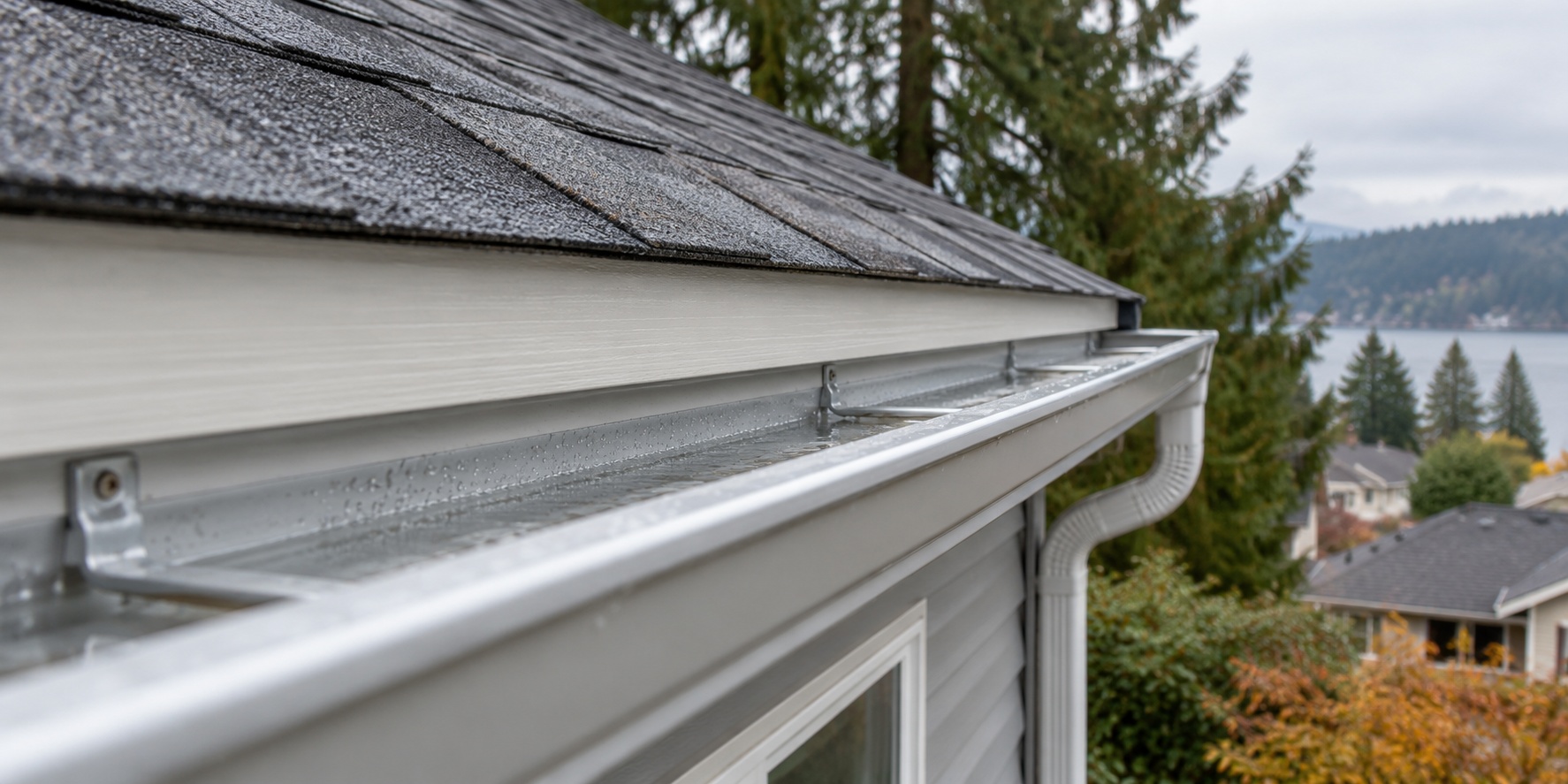
A gutter warranty is only as good as what it actually covers. Homeowners often assume a warranty protects them against any future problem, only to find out later that the issue they have is excluded. Understanding the difference between material warranties and labour warranties, knowing what is covered and what is not, and asking the right questions before signing can save you from frustration and unexpected costs.
This guide explains how gutter warranties work, what to look for, what to avoid, and how to protect your coverage. It is written for homeowners who want to make sure their gutter investment is backed by a real guarantee.
When comparing systems, ask our gutter installation team to clarify the proposed scope and coverage.
Material warranties versus labour warranties
Gutter warranties come in two main types. Understanding the difference is the first step to knowing what you are buying.
Material warranties
A material warranty is provided by the manufacturer of the gutter material. It covers defects in the metal, the coating, the paint, or the components. For example, if the aluminum gutter cracks or the paint peels prematurely due to a manufacturing defect, the material warranty may cover replacement of the material.
Material warranties are often long. Some manufacturers offer twenty, thirty, or even fifty-year warranties on aluminum or steel gutters. Copper gutters may carry lifetime warranties. However, a long material warranty does not mean the installation is covered. It only covers the product itself.
Labour warranties
A labour warranty is provided by the contractor who installs the gutters. It covers the workmanship: the hangers, the sealing, the pitch, the downspout connections, and the overall installation. If a gutter sags because a hanger was installed poorly, or if a seam leaks because it was not sealed correctly, the labour warranty should cover the repair.
Labour warranties are usually much shorter than material warranties. One year, two years, or five years is common. Some contractors offer longer labour warranties, but you should get the details in writing.
What a good gutter warranty covers
A strong warranty covers the things that are most likely to go wrong. Here is what to look for:
Coverage for leaks and seam failure
Seams and joints are the most common failure points in a gutter system. A good warranty covers leaks at seams, end caps, and outlets. If your warranty excludes seam leaks, it is not covering the part most likely to fail.
Coverage for hanger and fastener failure
Gutters are held in place by hangers and fasteners. If these pull out of the fascia or rust through, the gutter can sag or detach. A good labour warranty covers hanger and fastener failure.
Coverage for pitch and drainage problems
If the gutter is not pitched correctly and water pools or overflows, the warranty should cover re-pitching. This is especially important for seamless gutters, which are custom-formed on site.
Coverage for material defects
The material warranty should cover cracking, peeling, corrosion, and manufacturing defects. Read the details to see what conditions void the coverage.
Transferability
If you sell your home, can the warranty be transferred to the new owner? Transferable warranties add value to your home. Non-transferable warranties end when you sell.
What is usually not covered
Warranties have exclusions. Knowing what is not covered is just as important as knowing what is.
If the issue is limited to one area, a targeted gutter repair may be more practical.
Damage from lack of maintenance
If you never clean your gutters and they clog, overflow, and cause damage, the warranty will not cover it. Warranties expect reasonable care and maintenance.
Damage from storms, falling trees, or impact
Storm damage, falling branches, and accidental impact are typically excluded from both material and labour warranties. Home insurance may cover these events, but the warranty will not.
Improper maintenance or repairs
If you or an unqualified person attempts repairs and makes the problem worse, the warranty may be void. Always use the original contractor or a qualified professional for warranty work.
Normal weathering
Paint fading, minor chalking, and natural patina on copper are considered normal weathering and are not defects. Warranties do not cover cosmetic changes that do not affect performance.
Improper installation by another contractor
If a different contractor installed the gutters, the original contractor's labour warranty will not apply. You would need to rely on the material warranty or hire the new contractor.
Consequential damage
Most warranties do not cover water damage to your basement, foundation, or interior caused by gutter failure. They cover the gutter repair itself, not the damage the gutter failure caused elsewhere.
For a related guide, see Gutter Installation Cost Guide for Canadian Homes.
How long warranties should last
Here is what is typical for gutter warranties in Canada:
| Warranty type | Typical duration | What it covers |
|---|---|---|
| Material warranty (aluminum) | 20 to 30 years | Defects in material, coating, paint |
| Material warranty (steel) | 20 to 30 years | Defects in material, coating, corrosion |
| Material warranty (copper) | 50 years or lifetime | Defects in material |
| Material warranty (vinyl) | 10 to 20 years | Defects in material, cracking |
| Labour warranty | 1 to 5 years | Installation workmanship, pitch, sealing, hangers |
These are general ranges. Some contractors offer longer labour warranties, and some manufacturers offer longer material warranties. Always get the specific terms in writing.
Red flags in gutter warranties
Watch for these warning signs:
Vague language
If the warranty says "covers defects" without defining what a defect is, be cautious. A good warranty lists specific covered items.
Short labour warranty on a complex installation
A ninety-day labour warranty on a seamless gutter installation is too short. Installation problems often do not show up until the first heavy rain or the first winter.
No written warranty
If a contractor promises a warranty verbally but will not put it in writing, do not assume you have one. A verbal warranty is hard to enforce.
Another useful read for this project is Seamless vs Sectional Gutters: Which Is Right for Your Home.
Exclusions that cover everything
If the warranty excludes "normal wear," "weathering," "improper maintenance," and "acts of nature" so broadly that almost nothing is covered, the warranty is not worth much.
Contractor with no local history
A contractor who has been in business for only a few months may not be around to honour a labour warranty in two years. Choose a local contractor with an established track record.
Questions to ask before signing
Ask these questions before you agree to a gutter installation or repair:
- Is there a written material warranty? What does it cover and for how long?
- Is there a written labour warranty? What does it cover and for how long?
- Who provides the labour warranty: the contractor or the manufacturer?
- Are seams, end caps, and outlets covered?
- Are hangers and fasteners covered?
- Is pitch and drainage covered?
- Is the warranty transferable if I sell my home?
- What is excluded from the warranty?
- What is the process for making a warranty claim?
- Will you provide the warranty terms in writing before I sign?
How to make a warranty claim
If you think you have a warranty issue, follow these steps:
- Review the warranty documents to confirm the problem is covered.
- Take photos of the issue.
- Note the date you first noticed the problem.
- Contact the contractor or manufacturer that provided the warranty.
- Provide the photos, dates, and a description of the issue.
- Keep records of all communication.
If the original contractor is no longer in business, you may need to rely on the material warranty or hire a new contractor for repairs.
Maintaining your warranty
To keep your warranty valid:
- Clean your gutters regularly
- Do not attempt DIY repairs that could void the warranty
- Use the original contractor or a qualified professional for repairs
- Keep records of all maintenance and inspections
- Address small problems before they become big ones
Real-world warranty examples
Example 1: The seam leak
A homeowner noticed a leak at a gutter seam two years after installation. The contractor had offered a five-year labour warranty. The contractor returned, resealed the seam at no charge, and the leak did not return. The material warranty was not needed because the problem was installation-related.
For additional context, continue with New Construction vs Retrofit Gutter Installation.
Example 2: The sagging gutter
A homeowner's gutters began sagging three years after installation. The labour warranty had expired after one year. The material warranty did not cover sagging because it was an installation issue, not a material defect. The homeowner paid for the repair out of pocket. This example shows why labour warranty length matters.
Example 3: The material defect
A homeowner's aluminum gutters developed corrosion at the seams after five years. The manufacturer's twenty-five-year material warranty covered the corrosion. The manufacturer provided replacement material, and the homeowner paid only for labour to install it.
Example 4: The voided warranty
A homeowner attempted to repair a leaking seam with store-bought sealant. The repair failed, and the homeowner then contacted the original contractor. The contractor declined to honour the labour warranty because the homeowner had attempted a repair first. The homeowner paid for a new repair.
Questions to ask before signing (expanded)
- Is the material warranty provided by the manufacturer or the contractor?
- Is the labour warranty provided by the contractor?
- How long is each warranty?
- Are seams, end caps, and outlets explicitly covered?
- Are hangers and fasteners explicitly covered?
- Is pitch and drainage explicitly covered?
- Is the warranty transferable to a new homeowner?
- What specific situations void the warranty?
- What is the process for filing a warranty claim?
- Will the warranty terms be provided in writing before signing?
- Are there geographic limitations on the warranty?
- Does the warranty cover travel or service call fees?
How to maintain your warranty
To keep your gutter warranty valid:
- Clean gutters regularly (at least twice a year)
- Do not attempt DIY repairs that could void the warranty
- Use the original contractor or a qualified professional for repairs
- Keep records of all maintenance and inspections
- Address small problems before they become big ones
- Keep copies of the warranty documents and contract
- Document the date of installation and the installer's contact information
Making a warranty claim
If you believe you have a warranty issue:
- Review the warranty documents to confirm the problem is covered
- Take clear photos of the issue
- Note the date you first noticed the problem
- Contact the contractor or manufacturer that provided the warranty
- Provide photos, dates, and a description of the issue
- Keep records of all communication
- If the original contractor is no longer in business, check whether the material warranty is still valid through the manufacturer
Warranty versus insurance
Warranties and home insurance cover different things:
- Warranties cover defects in materials and workmanship
- Insurance covers sudden damage from storms, falling trees, fire, and other sudden events
- Gradual deterioration from age or lack of maintenance is usually covered by neither
- Water damage from gutter failure is usually excluded from warranties and may be excluded from insurance if it is deemed a maintenance issue
Understanding the difference helps you know where to turn when a problem occurs.
Final takeaway
A gutter warranty has two parts: material coverage from the manufacturer and labour coverage from the contractor. Material warranties are long, but labour warranties are shorter. A good warranty covers leaks, seams, hangers, pitch, and material defects. It excludes storm damage, lack of maintenance, and consequential water damage. Always get the warranty in writing, read the exclusions, and choose a local contractor with a track record of honouring their commitments. A warranty is only as good as the company behind it.
For an estimate based on your roofline and access, request a free quote.